Breathing feels like work
You keep trying to get a satisfying breath, or notice tension around your ribs, chest, neck, or abdomen.
HipCore · Body Reset
What if breathing and moving didn't have to feel like so much work?
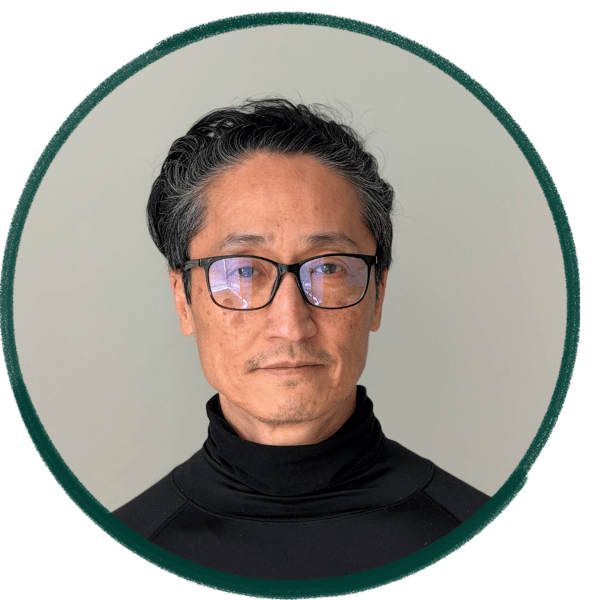
I'm James Ko, a physical therapist. I help people recognize hidden tension, unnecessary effort, and movement patterns that may be making everyday life harder than it needs to be.
Free live 40-minute workshop
And why you may keep putting off exercise, even when you want to move more.
Join from home. No workout or special equipment needed.
Does any of this sound familiar?
Different experiences can sometimes involve a common, overlooked factor: how much effort your body is bringing into breathing, movement, and everyday activities.
You keep trying to get a satisfying breath, or notice tension around your ribs, chest, neck, or abdomen.
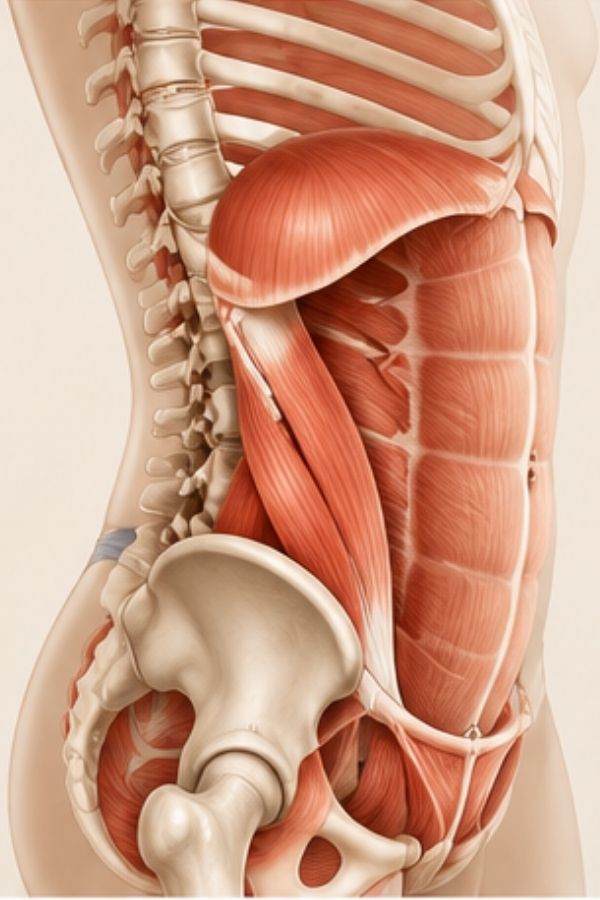
Even ordinary movement may involve holding, bracing, or more muscular effort than you realize.

But exercise gets postponed, feels unpleasant, or leaves you tighter and more tired than expected.
A different way to look at movement
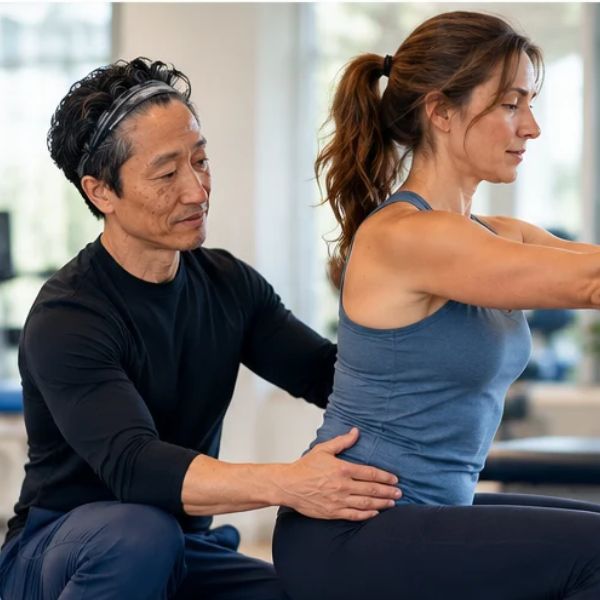
Sometimes it's about understanding how your body is approaching what you're already doing.
Breathing, trunk coordination, muscular effort, and protective responses can interact. In the workshop, we'll explore how noticing those patterns may help you discover more comfortable options.
You'll be guided through gentle observations and simple movement experiences, without forcing a deeper breath or pushing through discomfort.
What you'll explore
This is an educational workshop, not a promise of instant symptom relief or a substitute for individualized medical care.
Saturday, October 24
10 am PT | 12 PM CT | 1 pm ET | 6pm uk | 6am new zealand
Forty minutes of recognition, explanation, and gentle experimentation. No workout required.
If you experience new, unexplained, or significant breathing difficulty, seek appropriate medical evaluation rather than assuming it is caused by tension.