Tension First, Then Strength | Body Reset World
Wellness & Movement • For Adults 35+

Tension First,
Then Strength

A gentle self-care approach to getting moving and returning to the activities you love.

Release what's holding you back so your strength can shine again.
1

The Quiet Drift Toward Avoidance: “I Just Don’t Want to Do It Anymore…”

Have you ever caught yourself thinking, “I just don’t feel like moving,” “It’s not worth the effort,” or “I used to love doing that, but now it just feels hard”?

Many adults over 35 notice a quiet shift: activities they once enjoyed—walking, hiking, gardening, playing with grandchildren, or a favorite sport—start to feel like a chore. It can be confusing and frustrating.

It isn't always a lack of willpower or simply getting older. When ordinary movement repeatedly feels tense, tight, or uncomfortable, we may start anticipating that unpleasant experience and gradually do less.

Think of driving with the parking brake partly on. The engine still works, but everything requires more effort than it should.

Car wheel illustrating the parking brake metaphor
2

What Might Be Teaching Your Body to Avoid Movement?

Here's something to explore gently: you may be moving through your day with more muscular effort than a task requires. Perhaps you hold your breath when standing, clench your jaw while concentrating, lift your shoulders when reaching, or brace your stomach before bending.

These responses are not automatically harmful. Muscle tension can protect and stabilize us. But repeated pain, fear, or unpleasant movement experiences can contribute to avoidance.

Researchers have described how pain-related fear and movement changes can reinforce each other. This is one possible contributor—not a diagnosis or an explanation for every case of tightness.

Visual representation of movement tension and avoidance
🧍Extra effort or bracing during movement
🧠Movement feels unpleasant or threatening
↘Less willingness to repeat the activity

The opportunity is to notice the pattern, then experiment with a more comfortable way to move.

References: Vlaeyen, J. W. S., & Linton, S. J. (2000). Fear-avoidance and its consequences in chronic musculoskeletal pain. Pain, 85(3), 317–332. DOI. Hodges, P. W., & Tucker, K. (2011). Moving differently in pain. Pain, 152(3 Suppl), S90–S98. DOI.

3

Simple Shifts to Reduce Unnecessary Tension and Move More Comfortably

You don't need a complicated new routine to start exploring. Try these small adjustments during activities you already do.

Woman pausing to notice her breathing and tension

1. Notice hidden effort

Choose one everyday task—standing, reaching, washing dishes, or walking. Notice whether your jaw clenches, your shoulders rise, or you brace more than necessary. Repeat the task with one gentle adjustment. Don't try to eliminate useful muscular effort.

Why: Pain and protective responses can change movement coordination; noticing those changes creates room to experiment.

Hodges & Tucker (2011). Pain. DOI.

Woman enjoying comfortable movement outdoors

2. Let breathing continue

During an easy reach or gentle walk, see whether you are holding your breath. Try again with comfortable, unforced breathing. You don't need to take a giant breath or force your belly outward.

Why: Slow, comfortable breathing is associated with changes in autonomic regulation and arousal, though it does not guarantee the release of muscle guarding.

Zaccaro et al. (2018). How breath-control can change your life. Frontiers in Human Neuroscience, 12, 353. DOI.

3. Make the movement manageable first

If standing from a chair feels difficult, try a higher seat, an easier pace, or another reasonable adjustment. Notice what changes. Gradually progress as your comfort and capacity improve.

Why: Graded activity and exposure approaches can help some people with persistent pain rebuild activity tolerance and confidence.

Leeuw et al. (2008). Exposure in vivo versus operant graded activity in chronic low back pain. Pain, 138(1), 192–207. DOI.

4

The Challenges of Pushing Ahead Without Addressing Avoidance

It's common to try getting stronger, stretching more, or pushing through discomfort—only to feel discouraged when tightness returns or the activity still feels unpleasant.

Strength and unnecessary tension can exist together. If a movement feels like a battle, increasing the workload may not address everything that makes it difficult.

Reducing excess effort is not the same as avoiding all effort. Healthy movement and strength-building require appropriately progressive challenges. The aim is to make movement manageable enough to continue and build from.

Sometimes the first useful change isn't to do more. It's to find a better way to do what you're already doing.

Person hiking uphill
5

A New Path Forward: Less Unnecessary Tension, More Life to Enjoy

Imagine getting out of bed without immediately anticipating stiffness. Reaching into a cabinet without bracing your entire body. Taking a walk and noticing the air, the trees, and the people beside you rather than monitoring every sensation.

As movement becomes more comfortable, you may feel more willing to be active—and create new opportunities to improve your strength, endurance, and confidence.

  • Notice the extra effort you may be carrying
  • Explore movement that feels more manageable
  • Build strength and capacity gradually
  • Return to activities that matter to you
“The journey of a thousand miles begins with a single step.” — Lao Tzu
Older adults enjoying the outdoors together
6

Next Steps: Join the Free Live Webinar

Free 40-minute live workshop

Why Moving & Breathing Can Feel Harder Than They Should

Saturday, November 7, 2026 • 12:00 noon Central Time

Discover how to recognize hidden effort, notice bracing and breath pauses, and explore small movement adjustments that may help you feel more comfortable and confident.

  • Why ordinary movements sometimes feel harder than expected
  • How to recognize unnecessary tension during everyday activity
  • Practical movement experiences you can try at home
  • How to begin rebuilding confidence without forcing another demanding routine
Save My Free Spot

Site owner: replace the button's link with your webinar registration URL before publishing.

Educational information only. Persistent or unexplained symptoms, new weakness, or concerning changes warrant evaluation by a qualified healthcare professional.

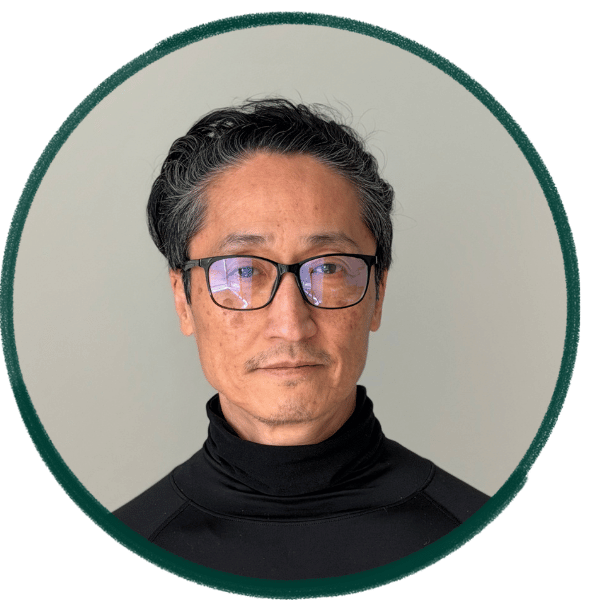
James Ko | Movement & Tension Specialist • Body Reset World
>